


5,90€
Em stock


Ecrã OLED 1.3 polegadas Arduino SH1106 IIC 4 pinos 128x64
Marca: satkit
5,90€
IVA incluído (S/ IVA: 4,80€)
Só restam 4 em stock - encomende já!
Entrega padrão
Qua, Abr 22 - Sex, Abr 24
Entrega expresso
Seg, Abr 20 - Ter, Abr 21
Devoluções em 30 dias
Devoluções gratuitas em 30 dias
Transação segura


Share:
Entrega grátis
Em encomendas superiores a 60€
Devoluções fáceis
Política de devolução de 30 dias
Pagamento seguro
Checkout 100% seguro
Garantia de qualidade
Apenas produtos originais
O ecrã OLED 1.3 polegadas Arduino SH1106 IIC 4 pinos 128x64 é um módulo de ecrã compacto e eficiente, concebido para projetos com Arduino que requerem uma interface visual clara e de baixo consumo.
Características principais:
- Tamanho compacto: 1.3 polegadas com área de visualização de 29.42 x 14.7 mm, ideal para espaços reduzidos.
- Alta resolução: 128 x 64 píxeis que permitem mostrar gráficos e texto com nitidez.
- Chip de controlo SSH1106: garante uma resposta rápida e compatibilidade com protocolos IIC.
- Interface IIC de 4 pinos: ligação fácil através de pinos GND, VCC, SCL e SDA, compatíveis com a maioria das placas Arduino.
- Luz autoemissora: não necessita de luz de fundo, oferecendo alta luminosidade e amplos ângulos de visão.
- Baixo consumo energético: funciona com tensões de 3.3 a 5V, ideal para projetos portáteis e eficientes.
- Amplo intervalo de temperatura: opera entre -40 e 70 °C, adequado para diversas condições ambientais.
- Pinos reversíveis VDD e GND: facilitam a ligação e reduzem erros na montagem.
Utilizações típicas:
- Visualização de dados em projetos Arduino como sensores, relógios ou sistemas de controlo.
- Interfaces gráficas para pequenos dispositivos eletrónicos.
- Projetos de baixo consumo onde a eficiência energética é essencial.
Compatibilidade: Este módulo é compatível com a maioria das placas Arduino que suportam comunicação IIC, facilitando a sua integração em projetos existentes ou novos desenvolvimentos.
Especificações técnicas:
- Tamanho: 1.3 polegadas
- Resolução: 128 x 64 píxeis
- Chip de controlo: SSH1106
- Área de visualização: 29.42 x 14.7 mm
- Voltagem de funcionamento: 3.3-5V
- Temperatura de operação: -40 a 70 °C
- Interface: IIC (4 pinos: GND, VCC, SCL, SDA)
- Cor da luz: branco
Conteúdo da embalagem:
- 1 x Módulo de ecrã OLED 1.3'' SH1106 IIC 128x64 para Arduino
- Ecrã OLED 1.3 polegadas com resolução 128x64 para projetos Arduino
- Interface IIC de 4 pinos: GND, VCC, SCL e SDA para ligação simples
- Chip SSH1106 para alta velocidade e resposta rápida
- Luz autoemissora branca, não requer luz de fundo
- Baixo consumo energético, funciona entre 3.3 e 5V
- Amplo intervalo de temperatura de operação: -40 a 70 °C
- Pinos VDD e GND reversíveis para facilitar a instalação
Perguntas e Respostas de Clientes
Quins són els avantatges clau d’utilitzar una pantalla OLED SH1106 davant d’una LCD convencional en projectes amb Arduino?
La pantalla OLED SH1106 emet la seva pròpia llum (no requereix retroil·luminació), oferint un contrast més alt i un angle de visió ampli. A més, consumeix menys energia i respon més ràpid en comparació amb una LCD tradicional. En contrapartida, les pantalles OLED solen tenir una vida útil menor quan s’exposen a imatges estàtiques prolongades.
Quins problemes habituals poden sorgir en iniciar la pantalla i com es poden solucionar?
Els problemes més freqüents són manca d’imatge (per polaritat incorrecta a GND/VCC), adreces I2C no detectades o biblioteques incompatibles. Recomano verificar el cablejat, comprovar l’adreça I2C amb un escàner des d’Arduino i fer servir biblioteques específiques compatibles com 'U8g2'.
Quin rang de temperatures pot suportar sense fallades i afecta el rendiment en ambients extrems?
La pantalla opera entre -40 °C i +70 °C. Als extrems, poden aparèixer lleugers canvis en la brillantor o la velocitat de refresc, però dins del rang indicat el funcionament es manté estable sense degradació significativa en condicions normals.
What are the key advantages of using an SH1106 OLED display over a conventional LCD in Arduino projects?
The SH1106 OLED display emits its own light (no backlight required), offering higher contrast and a wider viewing angle. It also consumes less power and responds faster compared with a traditional LCD. On the downside, OLED displays usually have a shorter lifespan when exposed to prolonged static images.
What common problems can arise when starting up the display and how can they be solved?
The most common issues are no image (due to incorrect GND/VCC polarity), undetected I2C addresses, or incompatible libraries. I recommend checking the wiring, verifying the I2C address with an Arduino scanner, and using compatible specific libraries such as 'U8g2'.
What temperature range can it withstand without failure, and does performance change in extreme environments?
The display operates between -40 °C and +70 °C. At the extremes, slight changes in brightness or refresh speed may occur, but within the stated range operation remains stable without significant degradation under normal conditions.
What are the key advantages of using an SH1106 OLED display over a conventional LCD in Arduino projects?
The SH1106 OLED display emits its own light (no backlight required), offering higher contrast and a wide viewing angle. It also consumes less power and responds faster than a traditional LCD. On the downside, OLED displays usually have a shorter lifespan when exposed to prolonged static images.
What common issues can arise when starting up the display, and how can they be solved?
The most common issues are no image (due to incorrect GND/VCC polarity), undetected I2C addresses, or incompatible libraries. I recommend checking the wiring, verifying the I2C address with a scanner from Arduino, and using compatible specific libraries such as 'U8g2'.
What temperature range can it withstand without failure, and does performance change in extreme environments?
The display operates between -40 °C and +70 °C. At the extremes, slight changes in brightness or refresh speed may occur, but within the stated range the operation remains stable without significant degradation under normal conditions.
Vilka är de viktigaste fördelarna med att använda en OLED SH1106-skärm jämfört med en vanlig LCD i projekt med Arduino?
OLED SH1106-skärmen avger sitt eget ljus (ingen bakgrundsbelysning krävs), vilket ger högre kontrast och bred betraktningsvinkel. Dessutom förbrukar den mindre energi och reagerar snabbare jämfört med en traditionell LCD. Nackdelen är att OLED-skärmar ofta har kortare livslängd när de utsätts för statiska bilder under längre tid.
Escrever uma avaliação de cliente
Clientes que compraram este artigo também compraram
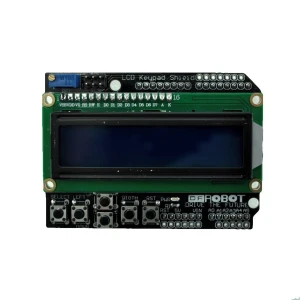
Shield LCD Keypad LCD1602 compatível com Arduino com ecrã e botões integrados
4,92€
Só restam 10 em stock

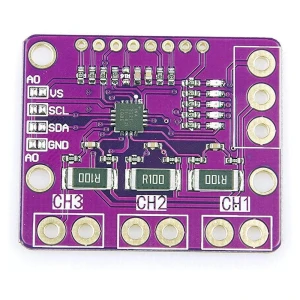
Sensor INA3221 Arduino para monitorização de tensão e corrente de três canais
6,15€
Só restam 3 em stock

Sensor de pressão de ar GY-63 MS5611-01BA03 barómetro de alta resolução para Arduino e Raspberry
8,00€
Só restam 7 em stock
Artigos vistos recentemente
Ecrã OLED 1.3 polegadas Arduino SH1106 IIC 4 pinos 128x64
5,90€