



18,45€
Em stock


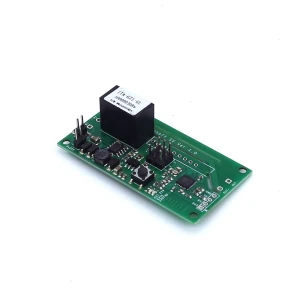
Modulo rele WiFi para ligar PC remotamente com controlo Smart Home
Marca: satkit
18,45€
IVA incluído (S/ IVA: 15,00€)
Só restam 5 em stock - encomende já!
Entrega padrão
Qua, Abr 22 - Sex, Abr 24
Entrega expresso
Seg, Abr 20 - Ter, Abr 21
Devoluções em 30 dias
Devoluções gratuitas em 30 dias
Transação segura


Share:
Entrega grátis
Em encomendas superiores a 60€
Devoluções fáceis
Política de devolução de 30 dias
Pagamento seguro
Checkout 100% seguro
Garantia de qualidade
Apenas produtos originais
O módulo relé WiFi para ligar PC remotamente é um dispositivo concebido para oferecer um controlo inteligente e prático do seu computador a partir de qualquer lugar. Integrável com sistemas de domótica como Alexa, Google Home e a aplicação Sonoff, este módulo permite ligar e desligar o seu PC de forma remota através de uma ligação WiFi.
Características principais:
- Controlo remoto sem fios através da aplicação eWelink para ligar ou desligar o computador independentemente da localização.
- Compatível com computadores que tenham conector PCIE, facilitando a integração em diferentes equipamentos.
- Design fino e estável com pequenas antenas que facilitam a instalação e poupam espaço.
- Função de reinício automático em caso de ecrã azul ou bloqueio do sistema.
- Ao usar a aplicação, o módulo encerra o PC sem o desligar abruptamente, protegendo o disco rígido.
- Feedback em tempo real do estado do dispositivo, com um ligeiro atraso dependendo do equipamento.
- Canal de alimentação duplo que não interfere com o botão de ligar original do computador.
- Antena e defletor de metal PCI que asseguram um sinal estável e sem perdas.
- Função de contagem decrescente programada para automatizar o ligar ou desligar.
- Controlo por voz compatível com Alexa e Google Assistant através de IFTTT para utilização mãos-livres.
Utilizações típicas:
- Automatização do ligar e desligar de computadores em casas inteligentes.
- Controlo remoto de equipamentos de escritório para poupança de energia e gestão eficiente.
- Integração em sistemas de controlo de acesso para ligar PCs conforme necessidades específicas.
- Suporte para transferências de dados remotas usando software como TeamViewer.
Compatibilidade: Funciona com computadores que disponham de conector PCIE e é compatível com as plataformas Alexa, Google Home e a aplicação eWelink. Também suporta integração com Sonoff para ampliar as opções de domótica.
Conteúdo da embalagem:
- 1 unidade de interruptor remoto sem fios para computador.
- 2 cabos para instalação DIY ou para computadores de marca.
Este módulo relé WiFi é a solução ideal para quem procura um controlo inteligente, seguro e cómodo do ligar do seu PC a partir de qualquer lugar, integrando tecnologia avançada com facilidade de utilização.
- Controlo remoto sem fios via WiFi com aplicação eWelink
- Compatível com computadores com conector PCIE
- Design compacto e fácil de instalar
- Reinício automático em caso de ecrã azul ou bloqueio
- Protege o disco rígido ao encerrar pela app
- Feedback em tempo real do estado do dispositivo
- Canal de alimentação duplo sem interferir com o botão original
- Antena e defletor metálico para sinal estável
- Contagem decrescente programada para automatização
- Controlo por voz compatível com Alexa e Google Home
Perguntas e Respostas de Clientes
Quin tipus d’ordinadors i sistemes operatius són compatibles amb aquest mòdul i hi ha requisits específics de maquinari?
És compatible amb qualsevol ordinador de sobretaula que disposi d’un connector PCIe (PCI Express) per a la instal·lació del mòdul. El control remot és independent del sistema operatiu, ja que actua directament sobre el maquinari d’encesa. No depèn del sistema (Windows, Linux, macOS), però per a la transferència de dades per TeamViewer sí que requereix que el sistema estigui arrencat i sigui compatible amb aquest programari. No és apte per a portàtils ni equips sense ranura PCIe.
Quines són les dimensions, materials principals del mòdul i què inclou exactament la caixa en la compra?
El mòdul sol tenir un format de targeta PCIe de perfil baix (aprox. 120 mm x 22 mm x 18 mm), amb carcassa i deflector de metall per a l’antena i la dissipació. Inclou una antena WiFi compacta, els cables de connexió (dues unitats, per a bricolatge o connexió directa a placa base i botó d’encesa), i el mateix mòdul relé. Normalment no inclou font d’alimentació externa; s’alimenta des del PC.
Com és el procés d’instal·lació i hi ha riscos per a la font d’alimentació o altres components del PC?
La instal·lació requereix obrir la caixa del PC, inserir el mòdul en una ranura PCIe lliure i connectar els cables al botó físic d’encesa. És important fer-ho amb el PC desconnectat i descarregant l’electricitat estàtica per evitar danys. El canal d’alimentació dual assegura que no s’interfereix ni es fa malbé el botó original. Com que és de baix consum (menys d’1 W), no representa un risc elèctric addicional rellevant si s’instal·la correctament.
Quina diferència tècnica hi ha respecte a alternatives com endolls intel·ligents WiFi o temporitzadors per encendre PCs?
A diferència dels endolls intel·ligents, que simplement tallen l’alimentació, aquest mòdul actua sobre el senyal de 'power on' del PC, simulant el botó i assegurant un encès/apagat segur, sense risc de danyar dades o el disc dur. Els endolls només reinicien per força, cosa que pot corrompre el sistema de fitxers; aquest mètode és més segur i compatible amb els procediments estàndard del maquinari del PC.
What type of computers and operating systems are compatible with this module, and are there any specific hardware requirements?
It is compatible with any desktop computer that has a PCIe (PCI Express) connector for installing the module. Remote control is independent of the operating system, as it acts directly on the power-on hardware. It does not depend on the system (Windows, Linux, macOS), but for data transfer via TeamViewer, the system must be booted and compatible with that software. It is not suitable for laptops or systems without a PCIe slot.
What are the dimensions, main materials of the module, and what exactly is included in the box?
The module usually has a low-profile PCIe card format (approx. 120 mm x 22 mm x 18 mm), with a metal casing and antenna bracket for antenna support and heat dissipation. It includes a compact WiFi antenna, the connection cables (two units, for DIY or direct connection to the motherboard and power button), and the relay module itself. It does not usually include an external power supply; it is powered from the PC.
How is the installation process, and are there any risks to the power supply or other PC components?
Installation requires opening the PC case, inserting the module into a free PCIe slot and connecting the cables to the physical power button. It is important to do this with the PC unplugged and after discharging static electricity to avoid damage. The dual power channel ensures that the original button is neither interfered with nor damaged. As it is low power (less than 1 W), it does not pose any significant additional electrical risk if installed correctly.
What technical difference is there compared with alternatives such as WiFi smart plugs or timers for turning PCs on?
Unlike smart plugs that simply cut the power, this module acts on the PC's 'power on' signal, simulating the button and ensuring safe on/off switching, with no risk of damaging data or the hard drive. Plugs only force a hard reset, which can corrupt the file system; this method is safer and compatible with standard PC hardware procedures.
What type of computers and operating systems are compatible with this module, and are there any specific hardware requirements?
It is compatible with any desktop computer that has a PCIe (PCI Express) slot for installing the module. Remote control is independent of the operating system, as it acts directly on the power-on hardware. It does not depend on the system (Windows, Linux, macOS), but for data transfer via TeamViewer, the system must be booted and compatible with that software. It is not suitable for laptops or systems without a PCIe slot.
What are the dimensions, main materials of the module, and exactly what is included in the box?
The module usually has a low-profile PCIe card format (approx. 120 mm x 22 mm x 18 mm), with a metal housing and antenna bracket for antenna support and heat dissipation. It includes a compact WiFi antenna, the connection cables (two units, for DIY use or direct connection to the motherboard and power button), and the relay module itself. It does not usually include an external power supply; it is powered from the PC.
Escrever uma avaliação de cliente
Clientes que compraram este artigo também compraram
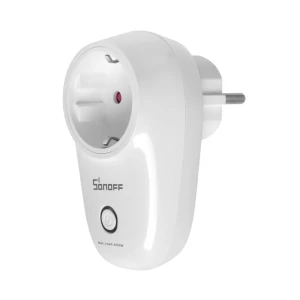

SONOFF ZigBee Interruptor Sem Fios SNZB-01 com Toque Simples, Duplo e Longo
8,12€
Só restam 3 em stock

SONOFF ZBMINI ZigBee Interruptor Inteligente Mini para Controlo de Luz 2 Vias
9,84€
Só restam 5 em stock
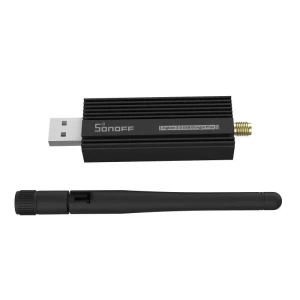
SONOFF ZBDongle-P Gateway Zigbee 3.0 USB Plus com antena para Home Assistant e Open HAB
23,37€
Só restam 3 em stock


Artigos vistos recentemente
 Modulo rele WiFi para ligar PC remotamente com controlo Smart Home
18,45€