


0,62€
Em stock
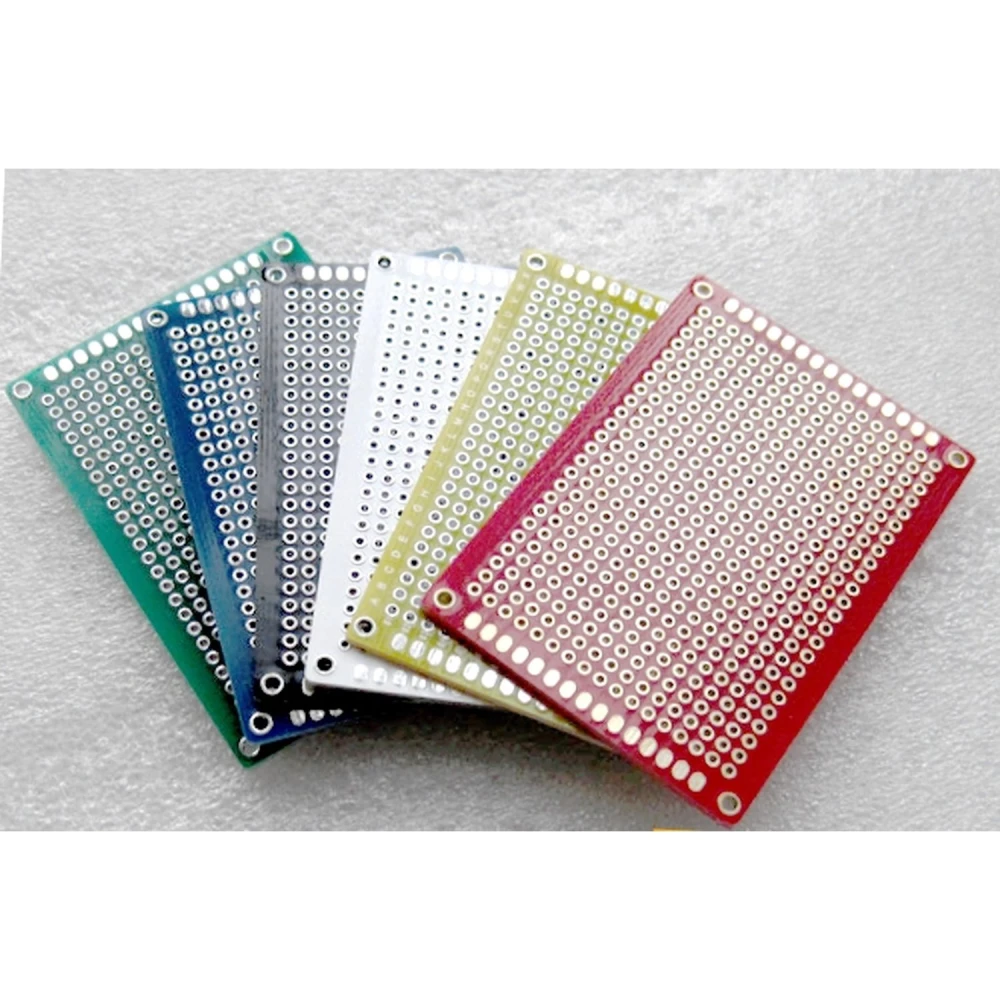

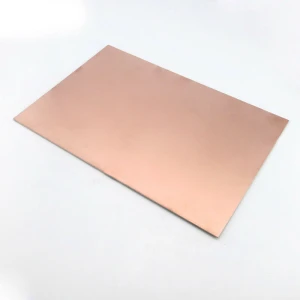
Placa de baquelite para protótipos 5x7cm verde para projetos eletrónicos
Marca: satkit
0,62€
IVA incluído (S/ IVA: 0,50€)
Em stock - Enviado imediatamente
Entrega padrão
Qua, Abr 22 - Sex, Abr 24
Entrega expresso
Seg, Abr 20 - Ter, Abr 21
Devoluções em 30 dias
Devoluções gratuitas em 30 dias
Transação segura






Share:
Entrega grátis
Em encomendas superiores a 60€
Devoluções fáceis
Política de devolução de 30 dias
Pagamento seguro
Checkout 100% seguro
Garantia de qualidade
Apenas produtos originais
A placa de baquelite para protótipos 5cmx7cm cor verde é um componente essencial para qualquer entusiasta ou profissional de eletrónica que precise de realizar protótipos ou testes de circuitos de forma simples e fiável.
Esta placa é fabricada em lâmina de plástico de baquelite, um material conhecido pela sua dureza e resistência térmica, ideal para suportar a montagem de componentes eletrónicos sem se deformar. A sua cor verde facilita a visualização dos circuitos e das soldaduras.
- Tamanho: 5cm x 7cm, um formato compacto que permite trabalhar com diferentes projetos sem ocupar muito espaço.
- Espessura: 1.2 mm, que proporciona uma base sólida e estável para a montagem.
- Distribuição dos furos: Os pads estão numa só face, com uma distância padrão entre furos de 2,54 mm, compatível com a maioria dos componentes eletrónicos e pinos de Arduino.
- Diâmetro dos furos: 1.0 mm, adequado para soldadura e montagem de cabos e pinos.
Esta placa é ideal para a criação de protótipos eletrónicos, reparações e testes de circuitos. A sua compatibilidade com componentes padrão torna-a perfeita para projetos com Arduino, microcontroladores e outros sistemas eletrónicos.
Nota: Atualmente o produto está fora de stock. Recomendamos consultar alternativas ou subscrever para receber avisos de disponibilidade.
- Formato compacto de 5cm x 7cm para protótipos eletrónicos
- Material resistente em baquelite com espessura de 1.2 mm
- Furos com diâmetro de 1.0 mm e espaçamento padrão de 2,54 mm
- Cor verde para melhor visualização e organização dos circuitos
- Compatível com componentes eletrónicos padrão e projetos Arduino
Perguntas e Respostas de Clientes
What is the main advantage of the bakelite board compared with fibreglass (FR4) boards for prototyping?
The bakelite board is cheaper and easier to cut or drill than a fibreglass (FR4) board, although FR4 offers greater mechanical and thermal resistance. For simple prototypes or educational use, bakelite is suitable thanks to its low cost and ease of handling.
What types of components and pin thicknesses are compatible with the 1.0 mm diameter holes?
The 1.0 mm holes are compatible with most standard through-hole (THT) electronic components, whose pins are usually between 0.4 mm and 0.8 mm in diameter. Components with thicker pins may not fit properly.
Does the board surface require any special treatment before soldering components?
The copper surface of the board is normally ready to solder, but it may oxidise over time. It is recommended to clean it with isopropyl alcohol or an abrasive eraser before soldering to ensure better adhesion.
What is the dimensional tolerance of the board, and how can it affect repetitive project assembly?
The typical tolerance for this type of board is ±0.5 mm on linear dimensions. For batch assemblies requiring precise component positioning, manual adjustment may be necessary.
Does the board comply with any safety or fire-resistance standard?
Bakelite offers some heat resistance, but these boards are not certified under international standards (such as UL94) for flame retardancy. They are not recommended for critical applications where there is a fire risk.
What is the main advantage of the bakelite board over fibreglass (FR4) boards for prototyping?
The bakelite board is cheaper and easier to cut or drill than fibreglass (FR4), although FR4 offers greater mechanical and thermal resistance. For simple prototypes or educational use, bakelite is suitable due to its low cost and ease of handling.
What types of components and pin thicknesses are compatible with the 1.0 mm diameter holes?
The 1.0 mm holes are compatible with most standard through-hole (THT) electronic components, whose pins are usually between 0.4 mm and 0.8 mm in diameter. Components with thicker pins may not fit properly.
Does the board require any special treatment of the surface before soldering components?
The copper surface of the board is normally ready for soldering, but it may oxidise over time. It is recommended to clean it with isopropyl alcohol or an abrasive eraser before soldering to ensure better adhesion.
What is the dimensional tolerance of the board and how can it affect repetitive project assembly?
The typical tolerance for this type of board is ±0.5 mm in linear dimensions. For production runs that require precise component positioning, manual adjustment may be necessary.
Does the board comply with any safety or fire-resistance standards?
Bakelite offers some heat resistance, but these boards are not certified under international standards (such as UL94) for flame retardancy. It is recommended not to use them in critical applications where there is a fire risk.
Escrever uma avaliação de cliente
Clientes que compraram este artigo também compraram
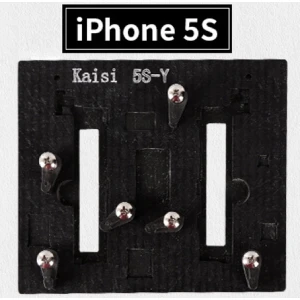
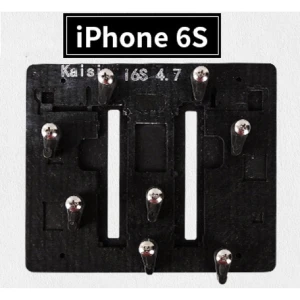
Suporte especial para reparação de placas PCB iPhone 6S resistente ao calor
14,76€
Só restam 4 em stock
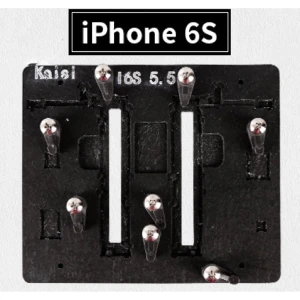
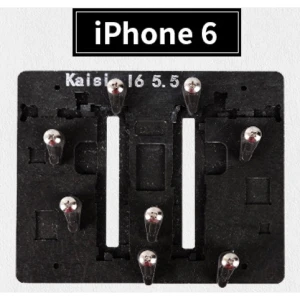
Suporte especial para reparação de placas PCB iPhone 6plus resistente ao calor
14,76€
Só restam 2 em stock
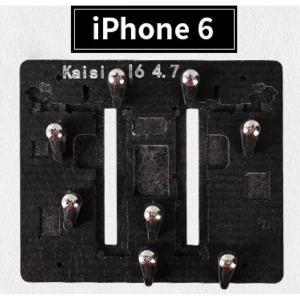
Suporte especial para reparação de placas PCB iPhone 6 resistente ao calor
14,76€
Só restam 5 em stock
Artigos vistos recentemente
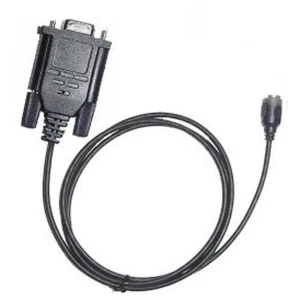
Adaptador Fbus Mbus Nokia Flasher para Desbloqueio e Transferência de Dados
6,09€
Só restam 1 em stock
 Placa de baquelite para protótipos 5x7cm verde para projetos eletrónicos
0,62€