


1,35€
Em stock


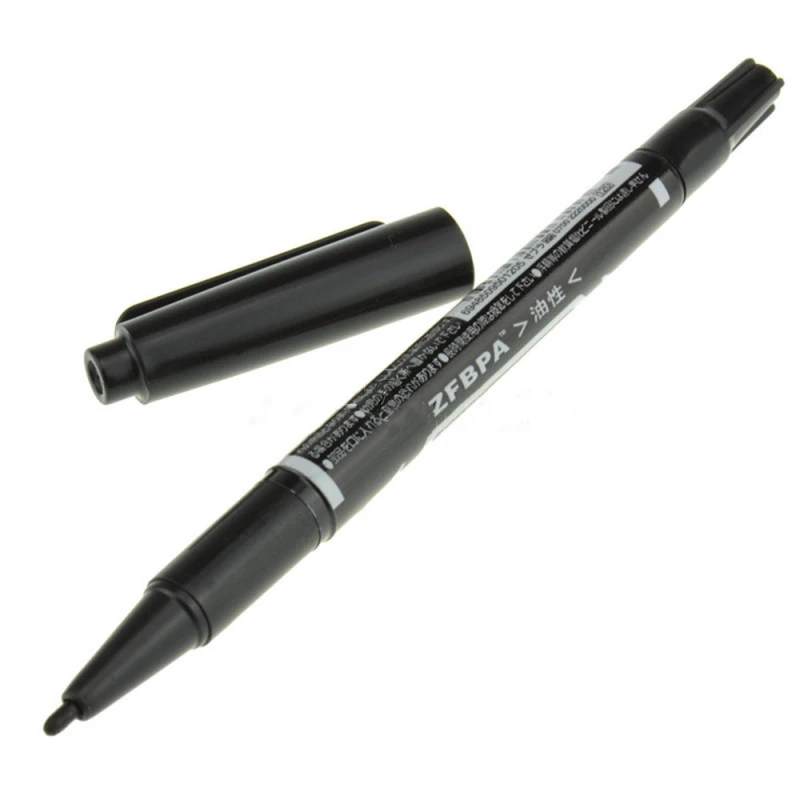
Marcador duplo anti-gravação para PCB - marcador de tinta para circuitos impressos
Marca: satkit
1,35€
IVA incluído (S/ IVA: 1,10€)
Em stock - Enviado imediatamente
Entrega padrão
Qua, Abr 22 - Sex, Abr 24
Entrega expresso
Seg, Abr 20 - Ter, Abr 21
Devoluções em 30 dias
Devoluções gratuitas em 30 dias
Transação segura






Share:
Entrega grátis
Em encomendas superiores a 60€
Devoluções fáceis
Política de devolução de 30 dias
Pagamento seguro
Checkout 100% seguro
Garantia de qualidade
Apenas produtos originais
Marcador duplo anti-gravação para PCB concebido para facilitar a reparação e marcação em placas de circuito impresso (PCB) de forma precisa e eficiente.
Este marcador conta com uma dupla ponta, uma fina e outra grossa, para se adaptar a diferentes tipos de traços e necessidades na reparação ou criação de circuitos eletrónicos. A sua tinta preta é especialmente formulada para resistir à gravação química, permitindo proteger as áreas marcadas durante processos de fabrico ou reparação.
Características principais:
- Dupla ponta: fina para detalhes precisos e grossa para traços mais largos.
- Cor preta: tinta visível e resistente para marcar circuitos impressos.
- Uso DIY: ideal para amadores e profissionais que fazem bricolage em placas PCB.
- Reparação de circuitos: permite corrigir ou modificar pistas em placas de circuito impresso.
Especificações técnicas:
- Tipo de produto: Marcador para PCB
- Cor da tinta: Preto
- Pontas: Dupla (grossa e fina)
- Aplicação: Reparação e marcação em placas de circuito impresso
Usos típicos:
- Reparação de pistas danificadas em placas PCB.
- Marcação de áreas para proteção durante gravação química.
- Projetos DIY de eletrónica que requerem precisão na marcação.
Compatibilidade:
Compatível com placas de circuito impresso standard que requerem marcação ou reparação com tinta resistente à gravação química.
Este marcador é uma ferramenta essencial para qualquer pessoa que trabalhe com circuitos impressos, desde amadores até técnicos especializados em eletrónica. O seu design de dupla ponta oferece versatilidade, enquanto a sua tinta preta garante resultados duradouros e visíveis.
Inclui:
- 1 x Marcador duplo anti-gravação para PCB
- Dupla ponta: fina e grossa para diferentes necessidades de marcação
- Tinta preta resistente à gravação química para proteção e reparação
- Ideal para projetos DIY e reparação de placas PCB
- Permite marcar e corrigir pistas em circuitos impressos
- Ferramenta prática para eletrónica e bricolage
Perguntas e Respostas de Clientes
De quin material estan fetes les puntes i la tinta? Aquesta tinta és resistent als àcids utilitzats en el gravat de PCB?
Les puntes solen ser de fibra sintètica d’alta densitat i la tinta està basada en resines resistents a dissolvents i àcids, com el perclorur de ferro. Tot i això, es recomana provar-ho en una superfície petita, ja que la resistència pot variar segons el temps d’exposició i la concentració de l’àcid.
El retolador és compatible amb tot tipus de plaques CCL (FR4, fenòlic, coure de diversos gruixos)?
El retolador és compatible amb la majoria de substrats comuns en PCB, incloent-hi FR4, baquelita (fenòlic) i coure de diferents gruixos. Es recomana netejar bé la superfície abans d’aplicar-lo per assegurar-ne l’adherència.
Com es recomana emmagatzemar el retolador i quines precaucions he de prendre per evitar que la tinta s’assequi?
Es recomana emmagatzemar el retolador en posició horitzontal i amb les tapes ben tancades, a una temperatura entre 10 i 30 °C, evitant l’exposició al sol i a fonts de calor. Si la punta s’asseca, es pot submergir breument en alcohol isopropílic per regenerar-la, tot i que la vida útil està limitada pel segellat de l’envàs.
Quins són els límits de precisió de la punta fina i el gruix que pot aconseguir la punta gruixuda en mil·límetres? Hi ha diferències respecte a altres productes similars?
La punta fina sol permetre traços d’aproximadament 0,5 a 1 mm d’amplada, mentre que la gruixuda permet línies de fins a 3 mm. En comparació amb altres marcadors, la doble punta ofereix flexibilitat per a detalls i zones àmplies, tot i que el gruix exacte pot variar lleugerament per la pressió i l’angle d’ús.
What are the tips and ink made of? Is the ink resistant to the acids used in PCB etching?
The tips are usually made of high-density synthetic fibre and the ink is based on resins resistant to solvents and acids, such as ferric chloride. However, it is recommended to test on a small area, as resistance may vary depending on exposure time and acid concentration.
Is the marker compatible with all types of CCL boards (FR4, phenolic, copper of various thicknesses)?
The marker is compatible with most common PCB substrates, including FR4, bakelite (phenolic) and copper of different thicknesses. It is recommended to clean the surface thoroughly before application to ensure adhesion.
How should the marker be stored and what precautions should I take to prevent the ink from drying out?
It is advisable to store the marker horizontally with the caps tightly closed, at a temperature between 10 and 30 °C, avoiding exposure to sunlight and heat sources. If the tip dries out, it can be briefly immersed in isopropyl alcohol to revive it, although service life is limited by the seal of the packaging.
What are the precision limits of the fine tip and what line width can the broad tip achieve in millimetres? Are there differences compared with similar products?
The fine tip usually allows lines of approximately 0.5 to 1 mm in width, while the broad tip can produce lines up to 3 mm. Compared with other markers, the dual tip offers flexibility for detail work and larger areas, although the exact width may vary slightly depending on pressure and angle of use.
What material are the tips and ink made from? Is the ink resistant to the acids used in PCB etching?
The tips are usually made from high-density synthetic fibre and the ink is resin-based, resistant to solvents and acids such as ferric chloride. However, it is recommended to test on a small area, as resistance may vary depending on exposure time and acid concentration.
Is the marker compatible with all types of CCL boards (FR4, phenolic, copper of various thicknesses)?
The marker is compatible with most common PCB substrates, including FR4, bakelite (phenolic) and copper of different thicknesses. It is recommended to clean the surface thoroughly before application to ensure adhesion.
Escrever uma avaliação de cliente
Clientes que compraram este artigo também compraram
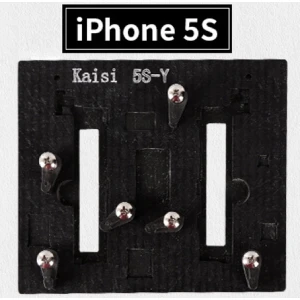
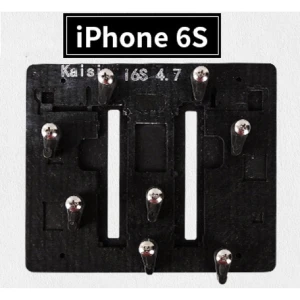
Suporte especial para reparação de placas PCB iPhone 6S resistente ao calor
14,76€
Só restam 4 em stock
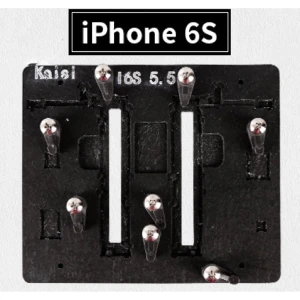
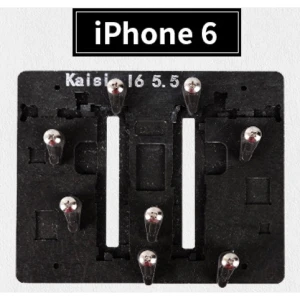
Suporte especial para reparação de placas PCB iPhone 6plus resistente ao calor
14,76€
Só restam 2 em stock
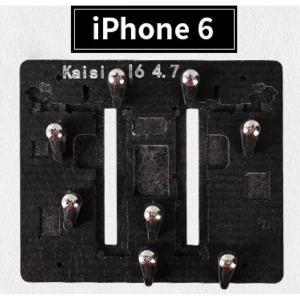
Suporte especial para reparação de placas PCB iPhone 6 resistente ao calor
14,76€
Só restam 5 em stock
Artigos vistos recentemente
 Marcador duplo anti-gravação para PCB - marcador de tinta para circuitos impressos
1,35€